From Setup to Operation: Understanding the Costs of a Concrete Batch Plant
Thinking about investing in a concrete batch plant is an exciting step for any growing construction business. It’s a move that promises greater control, efficiency, and profitability. But before you break ground on your new operation, it's crucial to look beyond the sticker price of the equipment itself. The true concrete batch plant cost is a tapestry woven from several different financial threads, each representing a different phase of ownership. By understanding these cost categories upfront, you can build a realistic budget, avoid unpleasant surprises, and set your business up for long-term success. Let's walk through the key financial considerations, from that initial investment to the day-to-day running and beyond.
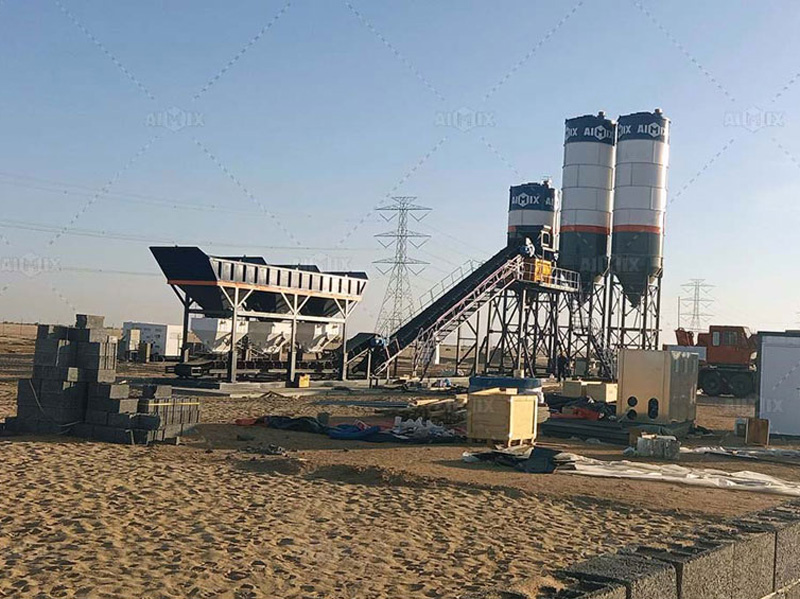
The Foundation: Upfront and Installation Costs
This is where your journey begins, with the capital required to get your plant standing and ready for its first batch. Many people focus solely on the concrete batching plant price tag of the silos and mixer, but that's just the beginning.
First, you have the direct cost of the equipment. This varies significantly based on capacity, level of automation, and whether you choose a mobile or stationary setup. A simple, manual plant will naturally have a lower price point than a fully automated, high-output station with computerized weighing systems. Don’t forget the essential ancillary equipment that doesn't always come standard. This includes a wheel loader for handling aggregates, a reliable water supply system, and often, an air compressor for cleaning and pneumatic functions. Once the equipment is purchased, the site development work begins. This is a substantial, and often underestimated, part of the budget. You'll need to budget for land clearing, grading, and constructing stable, reinforced concrete foundations capable of supporting massive weights. Utilities are another critical line item; bringing in three-phase electrical power, water lines, and possibly data connections for automation represents a significant installation cost. Finally, don't overlook the soft costs—professional fees for engineers to design the foundation and layout, as well as the various permits required by your local municipality to operate legally.
The Engine: Ongoing Operational Expenditures
Once your plant is operational, a new set of recurring costs takes over. These are the expenses that will determine your day-to-day profitability and require careful management.
The most prominent and variable operational cost is raw material procurement. You will be continuously purchasing cement, aggregates (sand, gravel, crushed stone), and water. The cost of these materials can fluctuate based on market conditions and transportation distance from the source to your plant. Fuel and power form another major expense. The plant's mixer motor, conveyor belts, and compressor all consume significant electricity, while your wheel loader will run on diesel. Labor is a fixed operational cost that must be accounted for. You will need trained personnel for plant operation, quality control testing, maintenance, and logistics management. Consumables and routine maintenance are the ongoing costs of keeping the plant in top working order. This includes items like grease, lubricants, filter changes, and the replacement of wear parts like mixer blades and conveyor belts. A proactive maintenance schedule might seem like an expense, but it is far cheaper than the catastrophic downtime of a major breakdown.

The Long Game: Lifecycle and Contingency Planning
A truly savvy business owner looks years down the road, planning for the plant's entire lifecycle and the unpredictable events that can occur.
Think about the long-term financial arc of your investment. This includes accounting for depreciation, which is the loss of the equipment's value over time. You should also have a plan for eventual equipment refreshment or upgrades. Perhaps in five years, you'll want to retrofit a more advanced control system. Setting aside a small percentage of revenue for a future equipment fund is a wise strategy. Crucially, every business needs a contingency fund. This is a financial cushion for unplanned repairs, such as a failed motor or a structural issue with a conveyor. Market fluctuations can also impact your business; a sudden dip in construction activity could reduce your revenue stream, so having reserves to cover fixed costs during slow periods is essential for resilience. Finally, consider the ready mix plant's residual value. A well-maintained plant not only provides reliable service but also holds its value better. Should you ever decide to upgrade or sell, a complete set of maintenance records and a reputation for diligent care will command a much higher price in the resale market, giving you a strong return on your initial outlay. By planning for these long-term and contingency costs from the very beginning, you transform your batch plant from a simple piece of equipment into a durable, valuable, and resilient asset for your company.


