Maximize Your Investment: Understanding the Combo of Self Loading Mixers and Concrete Pumps in Ghana
The Ghanaian construction sector presents a unique set of opportunities and challenges, characterized by robust growth alongside infrastructural gaps in logistics and material supply. For contractors and developers seeking to optimize capital efficiency and project execution, the integration of self loading concrete mixer with concrete pumps represents a transformative operational strategy. This equipment combination is not merely the sum of two machines; it constitutes a closed-loop, mobile production and placement system. This integrated approach directly addresses endemic constraints within the local construction environment, offering a pathway to significantly enhanced profitability, control, and market differentiation. Understanding the synergistic logic of this combination is essential for maximizing the return on a substantial capital investment.
The Synergistic Advantage: A Closed-Loop Production and Placement System
The core value proposition lies in creating operational sovereignty. A self-loading mixer autonomously handles the batching process, combining aggregates, cement, and water directly at the project site or a strategically located yard. When paired with a concrete pump—whether a separate truck-mounted pump or an integrated pump unit on the mixer itself—this system completes the cycle from raw material to precisely placed concrete without external dependency. This is particularly powerful in Ghana, where projects in peri-urban or rural areas may face unreliable road access for large transit mixers, inconsistent supply from centralized batching plants, or prohibitive transport costs over poor road networks. The combo eliminates these logistical friction points, turning any accessible site with basic material stockpiles into an independent concrete production and delivery hub.
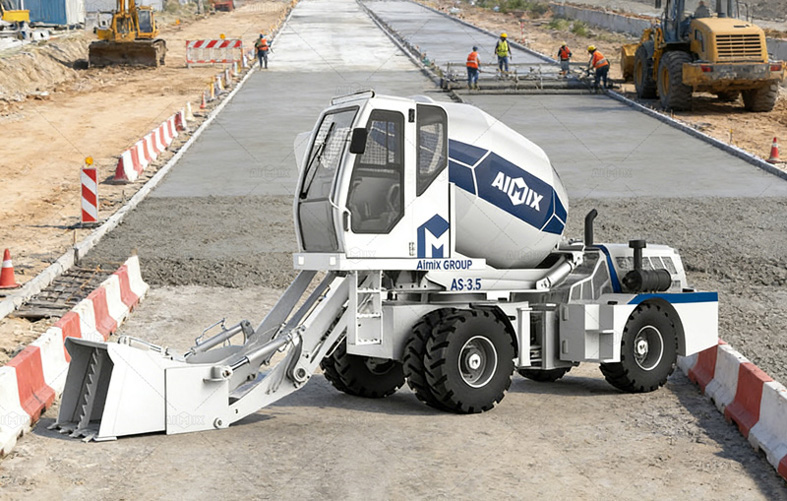
Furthermore, this integration confers superior quality control and scheduling efficiency. Concrete is batched immediately prior to pumping, minimizing the risk of slump loss and ensuring optimal workability for placement, which is critical for structural integrity and finish quality. The project timeline is no longer contingent on the schedule of a third-party ready-mix supplier. Contractors gain absolute command over the production and placement sequence, enabling just-in-time workflows that reduce labor idle time and prevent costly delays. This control is a decisive advantage in a market where project delays are a common and costly occurrence, directly protecting margin and client relationships.
Economic Modeling for the Ghanaian Market: Cost-Benefit Analysis
From a financial perspective, the investment is justified through the displacement of traditional costs and the creation of new revenue streams. The primary economic benefit is the systematic reduction of the logistics premium embedded in conventional concrete supply. Costs associated with repeated transit mixer journeys—including fuel, driver wages, truck maintenance, and value-added taxes on delivered material—are dramatically curtailed. The capital cost of the concrete mixer in Ghana is amortized against these avoided expenses. Additionally, material waste is minimized, as batch sizes can be precisely tailored to daily pour requirements, eliminating the over-ordering common with standard ready-mix truck minimums.
The combination also unlocks superior project economics through accelerated timelines and competitive bidding. The ability to guarantee concrete supply and placement on a fixed, internal schedule allows for more aggressive and accurate project bidding. Contractors can confidently promise faster completion times, a powerful differentiator when tendering for contracts. The speed and efficiency of the system can compress project durations, freeing up capital and equipment for subsequent projects sooner, thereby increasing overall annual turnover and asset utilization. The investment thus transitions from a cost center to a direct catalyst for top-line growth and market share acquisition.
Strategic Implementation and Market Positioning
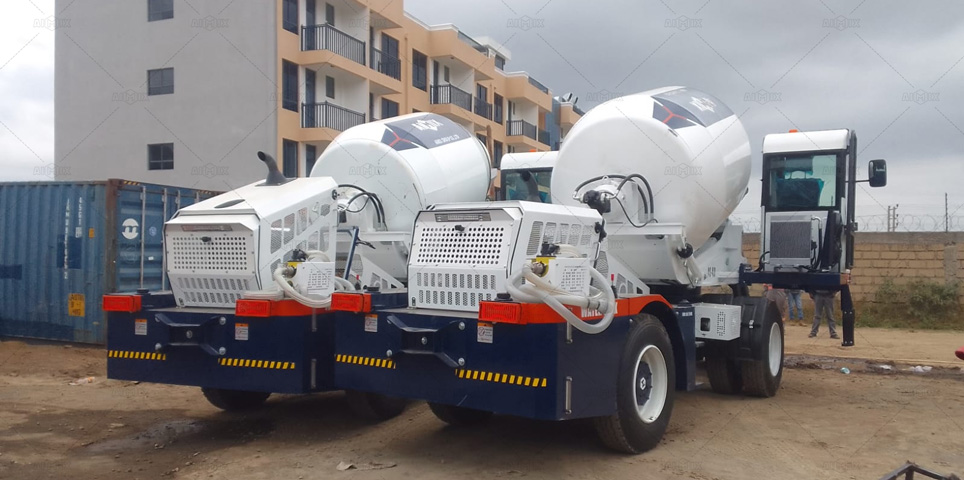
To maximize return, deploying this equipment combination must be strategically targeted. It is not a universal solution but is exceptionally effective for a specific project portfolio. Ideal applications include: residential estate developments with multiple small to medium-sized pours, remote infrastructure projects (e.g., small bridges, culverts, community water tanks), industrial warehouse slabs, and projects within congested urban areas where truck access is severely restricted. The business model can be dual-pronged: utilizing the equipment for in-house projects to secure margins and offering specialized contracting services to other builders for complex or access-challenged pours.
Ultimately, success hinges on building a reputation for unparalleled reliability and technical proficiency. Operators must be thoroughly trained not only in machine operation but in basic concrete technology to adjust mixes for site conditions. Proactive maintenance is non-negotiable to ensure high asset availability. By mastering this integrated system, a contractor in Ghana positions themselves not as a generic builder, but as a technologically adept solutions provider capable of executing projects others find logistically daunting. This elevates their market positioning, allows for premium pricing on specialized services, and solidifies client trust. In a growing market, the strategic integration of self-loading mixers and concrete pumps for sale is less about purchasing equipment and more about investing in a proprietary, high-efficiency methodology for building Ghana's future.


