Concrete Paving Trends in 2026: Why Contractors are Shifting Toward Modular and Automated Solutions
The paving contractor of 2026 operates within a landscape markedly different from that of even five years prior. Labor shortages have transcended the realm of cyclical challenge to become a structural reality, project timelines have compressed under the weight of infrastructure funding deadlines, and specifications for smoothness and durability have tightened to tolerances that strain the limits of conventional methodologies. In response, a discernible shift has taken hold across the industry—a migration away from traditional, labor-intensive paving approaches toward modular systems and automation-driven workflows. This transition is not merely technological novelty; it represents a fundamental rethinking of how concrete paving projects are conceptualized, staffed, and executed. Contractors who have made the leap report outcomes that extend beyond the jobsite: improved safety metrics, the ability to bid on more complex projects with confidence, and a recruitment advantage in an industry struggling to attract younger workers. The trends crystallizing in 2026 suggest that modular and automated solutions are not simply alternatives to conventional paving—they are rapidly becoming the baseline expectation for owners and general contractors alike.
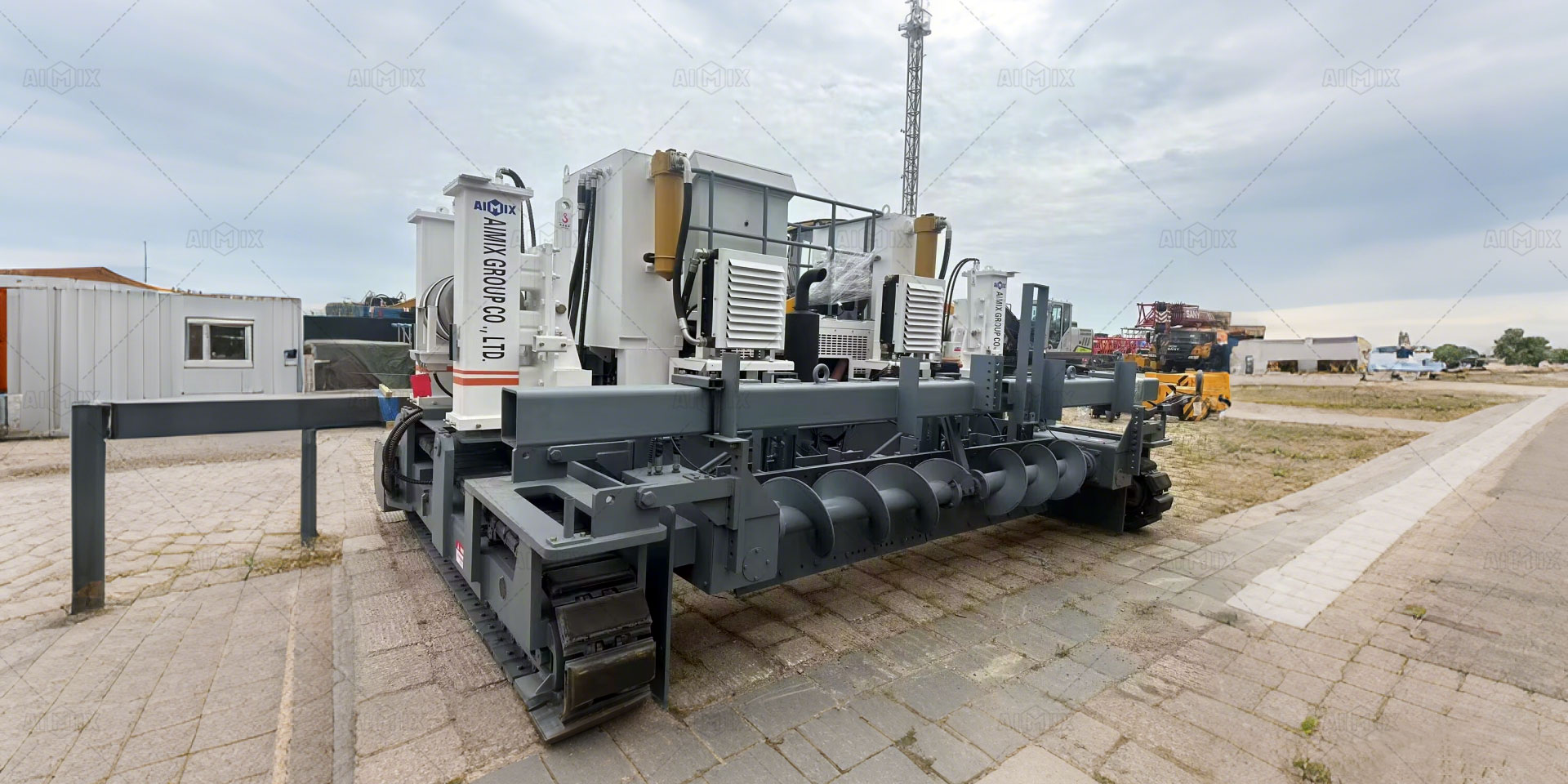
Modular Paving Systems: Redefining Jobsite Logistics and Crew Composition
The modular approach to concrete paving represents a philosophical departure from the monolithic, site-cast methodologies that have dominated highway and airfield construction for decades. Rather than assembling complex formwork systems that require skilled carpenters and extended setup periods, modular systems employ prefabricated, reconfigurable components that arrive at the jobsite in a state of near-readiness. For contractors, the implications are profound. Crew composition shifts from requiring multiple specialized trades—form setters, finishers, and grading crews working in sequence—to smaller, cross-trained teams capable of managing the installation of modular units with greater efficiency. The reduction in on-site labor hours is often dramatic, with some contractors reporting 40 percent fewer man-hours per lane-mile compared to conventional cast-in-place methods. This compression of labor requirements addresses the industry’s most persistent vulnerability: the scarcity of experienced concrete finishers and form carpenters. Furthermore, modular systems introduce a degree of predictability that conventional paving cannot match. Weather delays, material inconsistencies, and subsurface variations that typically cascade into schedule overruns are mitigated through controlled manufacturing conditions and standardized connection details. Contractors in 2026 are increasingly selecting modular solutions not because they produce a superior finished product—though they often do—but because they transform project execution from a high-risk, high-variable endeavor into a repeatable, manageable process.
Automation as Labor Multiplier: From 3D Machine Control to Autonomous Compaction
Where modular systems address the physical demands of paving, automation tackles the cognitive and precision-based challenges that have traditionally depended upon operator intuition. The automation stack in contemporary paving operations extends far beyond the now-commonplace 3D grade control. Contractors are deploying paver-mounted sensor arrays that continuously monitor concrete slump, vibration frequency, and paving speed, making micro-adjustments hundreds of times per minute to maintain consistency across the pour. This closed-loop control eliminates the variability introduced by operator fatigue or distraction, ensuring that a section paved at 3:00 a.m. matches the quality of a section paved at midday. The labor multiplier effect is tangible: one operator with an automated paver can achieve results that previously required a paver operator, a grade checker, a surveyor, and two laborers managing stringlines. Autonomous compaction concrete paving equipment for sale has also gained significant traction in 2026. These rollers navigate the fresh pavement without an operator, executing predetermined compaction patterns with consistency that human operators struggle to replicate over extended shifts. For contractors, the adoption of these technologies translates directly into the ability to take on more work with a stable workforce—a critical competitive advantage when labor availability remains the binding constraint on revenue growth.

Economic Drivers: Total Cost of Ownership and Risk Mitigation in a High-Stakes Market
Beneath the surface-level appeal of reduced labor requirements lies a more compelling economic calculus that explains the accelerating shift toward modular and automated solutions. Contractors are increasingly evaluating equipment and methodology decisions through the lens of total cost of ownership rather than initial capital outlay. A conventional paving spread, while carrying a lower upfront purchase price, imposes substantial ongoing costs: larger crews with associated payroll burdens, extended project durations that tie up equipment and increase exposure to weather and schedule penalties, and higher fuel consumption from older hydraulic systems. Modular and automated systems invert this equation. The premium paid for advanced technology is recovered through compressed schedules, reduced labor costs, and—critically—the ability to pursue projects with performance-based specifications that carry incentive payments for superior smoothness and durability. In an environment where infrastructure funding has introduced substantial bonus pools for early completion and exceptional quality, the contractor equipped with automated capabilities holds a decisive advantage in project pursuit. Furthermore, the risk mitigation afforded by these systems has become a procurement consideration in its own right. General contractors and project owners are increasingly factoring methodology into their selection criteria, favoring bidders who demonstrate the ability to execute with minimal disruption and predictable outcomes. For the paving contractor in 2026, the shift toward modular and automated solutions is therefore not merely a technological upgrade but a strategic repositioning—an alignment with the market’s evolving expectations for precision, reliability, and capital efficiency.


