The marketplace for stone crushers presents a wide spectrum of pricing, a reality that can perplex even experienced buyers. A jaw crusher from one manufacturer may carry a price tag significantly different from a seemingly comparable model from another. This variance is neither arbitrary nor purely a function of brand name recognition. It is the direct financial manifestation of a complex matrix of factors encompassing fundamental engineering principles, production specifications, and long-term value propositions. Discerning the rationale behind these stone crusher plant price differences is essential for making an informed capital investment. A lower initial cost may not represent a genuine economic advantage if it correlates with higher operational expenses, reduced durability, or inadequate technical support over the equipment's lifecycle.
Core Engineering and Manufacturing Provenance
The foundational elements of a stone crusher's cost are determined at the design and manufacturing stages. The selection of materials is a primary differentiator. Premium machines utilize high-grade, alloyed steels for critical components like jaw plates, concaves, mantles, and rotors. These materials are engineered for superior abrasion resistance and impact strength, directly translating to extended service life and consistent performance under high-stress conditions. Conversely, units constructed with lower-specification metallurgy will exhibit accelerated wear, leading to more frequent downtime for part replacement and a higher cumulative cost per ton of processed material. The quality of bearings, seals, and hydraulic components follows a similar logic; industrial-grade parts from reputable suppliers ensure reliability but command a higher price than generic alternatives.
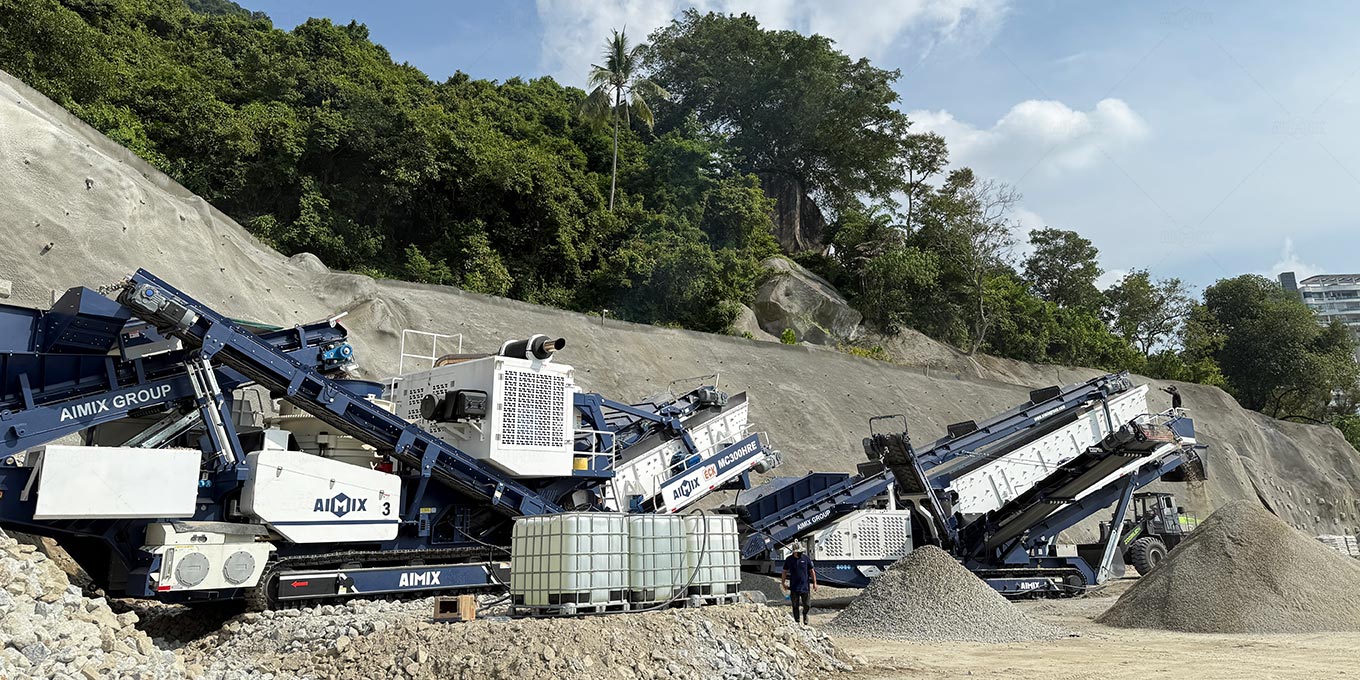
Furthermore, the level of technological sophistication and innovation integrated into the crusher's design significantly influences its price. A basic machine may offer manual adjustment for settings like the closed-side setting (CSS). In contrast, a higher-tier model will feature fully hydraulic adjustment systems that allow for rapid, precise changes without downtime, often operable remotely from a control panel. Advanced models may incorporate automation for optimizing feed rates based on crusher load, anti-spin devices for the head in cone crushers, or automated greasing systems. Each of these innovations represents substantial research, development, and manufacturing cost, which is subsequently reflected in the unit's market price. The manufacturing origin itself also contributes; equipment produced in regions with stringent labor, safety, and environmental compliance standards inherently carries different cost structures than those manufactured in contexts with lower regulatory overhead.
Configuration, Capacity, and Operational Specifications
The intended application and required output directly dictate a crusher's configuration, which in turn governs its price. The most apparent variable is production capacity, measured in metric tons per hour. A machine rated for 200 tph will be a substantially larger, more robust, and more costly piece of engineering than one rated for 50 tph, requiring a more powerful drive system, a heavier frame, and larger wear parts. The geometry of the crushing chamber is another critical specification. An aggregate crusher designed for secondary or tertiary reduction to produce finely shaped aggregate will have a different chamber profile and liner design than a primary crusher intended for run-of-quarry rock, impacting both its complexity and cost.
Mobility is a major price determinant. A stationary skid-mounted crusher represents a different financial proposition than a fully mobile track-mounted plant. The latter incorporates a complex undercarriage with tracks, engines, and hydraulics for self-propulsion, effectively integrating a heavy-duty vehicle into the crushing unit. Furthermore, many modern crushers are sold as complete systems integrated with prescreens, post-crushing sizing screens, and stockpiling conveyors. The inclusion of these integrated material handling components—their size, quality, and level of automation—adds considerable value and cost to the total package. A bare crusher is merely a component; a fully equipped crushing circuit is a production plant, and its price reflects that comprehensive capability.
Intangible Value Drivers and Market Positioning
Beyond the physical machine, several intangible yet economically critical factors contribute to price variation. Brand equity and the associated after-sales support infrastructure are paramount. An established manufacturer with a global dealer network invests significantly in parts inventory, field service technician training, and technical documentation. The premium associated with such a brand is, in effect, an insurance policy against prolonged operational downtime. When a critical component fails, immediate access to a genuine spare part and expert service minimizes production losses. A lesser-known brand may offer a lower initial purchase price but cannot provide equivalent support, transferring a higher risk of costly delays to the buyer.
This leads directly to the concept of Total Cost of Ownership (TCO). A discerning buyer evaluates not just the purchase price but the aggregate cost over the machine's operational life, including maintenance, parts consumption, fuel efficiency, and eventual resale value. Equipment from manufacturers with reputations for durability and reliability typically demonstrates lower operating costs and higher residual value in the secondary market. This long-term economic profile justifies a higher initial investment. Therefore, price variance in the stone crusher plant market is a rational expression of differing value propositions. It delineates a spectrum from basic, commoditized equipment to highly engineered, supported, and productive assets, allowing buyers to align their investment with specific operational needs and financial strategies.


