Turning Waste into Wealth: Why Recycling Construction Demolition Waste (CDW) is the Next Big Investment
The global construction sector, often synonymous with expansion and excess, is now confronting an inflection point. Mountains of construction and demolition waste (CDW) accumulate in tandem with urban growth, creating both an environmental burden and a latent economic opportunity. Within this tension lies a transformative proposition: recycling construction waste into wealth. Recycling CDW is no longer a peripheral sustainability gesture; it is emerging as a compelling investment frontier, defined by resource efficiency, regulatory momentum, and evolving market demand.
The Untapped Potential of Construction Demolition Waste
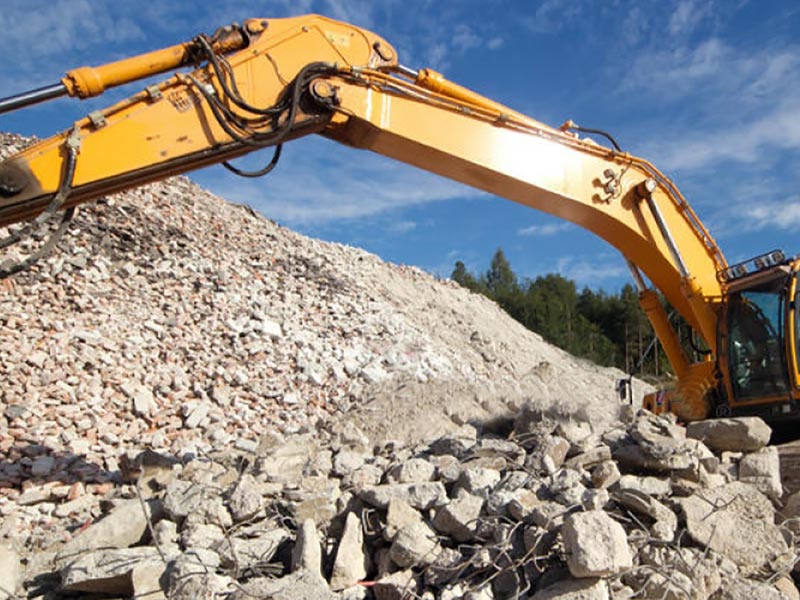
Construction and demolition waste represents one of the largest waste streams globally, yet it remains profoundly underutilized. Composed primarily of concrete, asphalt, metals, wood, and masonry, CDW is often perceived as inert refuse. This perception is outdated. In reality, it constitutes a heterogeneous but highly valuable resource base, capable of being reintegrated into the production cycle.
Urbanization intensifies this dynamic. As cities expand vertically and horizontally, older structures are dismantled to make way for new developments. Each demolition project generates vast quantities of debris. Historically, this material has been relegated to landfills, incurring disposal costs and environmental degradation. However, a paradigm shift is underway. Investors and industry stakeholders are beginning to recognize that these discarded materials possess intrinsic value when properly processed.
Reframing CDW as a resource reservoir requires both conceptual and operational adjustments. Segregation at the source becomes critical. Clean, well-sorted waste streams yield higher-quality recycled products, enhancing their market viability. This simple yet often overlooked practice can dramatically alter the economics of recycling operations, transforming what was once a liability into a lucrative input.
Technologies Driving Efficient CDW Recycling
The viability of CDW recycling as an investment is underpinned by technological innovation. Modern processing systems have evolved far beyond rudimentary crushing. Today’s facilities employ an integrated suite of machinery designed to maximize material recovery while maintaining stringent quality standards.
Track crusher equipment forms the backbone of the process, reducing bulky debris into smaller, manageable fragments. Yet crushing alone is insufficient. Screening systems subsequently classify materials by size, ensuring consistency in the final product. This granularity is essential, particularly when recycled aggregates are destined for structural applications.
Advanced separation technologies further refine the output. Magnetic separators efficiently extract ferrous metals, while eddy current systems target non-ferrous metals such as aluminum and copper. Air classifiers remove lighter contaminants, including plastics and dust, enhancing the purity of the recycled material. In more sophisticated operations, optical sorting systems leverage sensors and artificial intelligence to distinguish materials with remarkable precision.
Quality assurance is the linchpin of market acceptance. Recycled materials must meet established engineering standards to compete with virgin resources. Rigorous testing protocols evaluate parameters such as compressive strength, durability, and contamination levels. When these benchmarks are consistently met, recycled products can command competitive prices and gain widespread adoption.
Investment Advantages and Long-Term Economic Value
The financial rationale for investing in CDW recycling is both multifaceted and compelling. At its core lies the concept of resource efficiency. By substituting virgin materials with recycled alternatives, operators significantly reduce procurement costs. Quarrying and raw material extraction, often capital-intensive and environmentally contentious, become less central to the supply chain.
Simultaneously, recycling operations generate diverse revenue streams. Recycled aggregates, reclaimed metals, and even processed wood can be sold into various markets. This diversification mitigates risk and enhances profitability. Moreover, the ability to monetize what was previously considered waste introduces a powerful economic inversion—cost centers are transformed into profit centers.

Regulatory frameworks are increasingly favorable. Governments across the globe are implementing policies that encourage recycling and penalize excessive landfill use. Tax incentives, subsidies, and mandatory recycling quotas are becoming more prevalent. These measures not only improve the financial viability of recycling projects but also create a more predictable operating environment for investors.
Sustainability considerations further amplify the investment case. Environmental, social, and governance (ESG) criteria are now integral to investment decision-making. CDW recycling through concrete crusher for sale aligns seamlessly with these priorities, offering measurable reductions in carbon emissions, resource consumption, and landfill usage. Companies that embrace this model enhance their reputational capital, attracting environmentally conscious clients and investors alike.
Market demand is also evolving. Construction firms are increasingly seeking sustainable materials to meet green building standards and certification requirements. Recycled aggregates and materials, once viewed with skepticism, are gaining acceptance as viable alternatives. This shift in perception expands the addressable market, creating sustained demand for recycled products.
In essence, the transition from waste disposal to resource recovery represents a profound reconfiguration of value. CDW recycling is not merely an environmental obligation; it is a strategic investment opportunity with tangible economic returns. By leveraging advanced technologies, aligning with regulatory trends, and capitalizing on growing market demand, investors can position themselves at the forefront of a rapidly expanding sector.
The narrative is clear. Waste, when approached with ingenuity and discipline, ceases to be an endpoint. It becomes a beginning—a foundation upon which new value is constructed.


